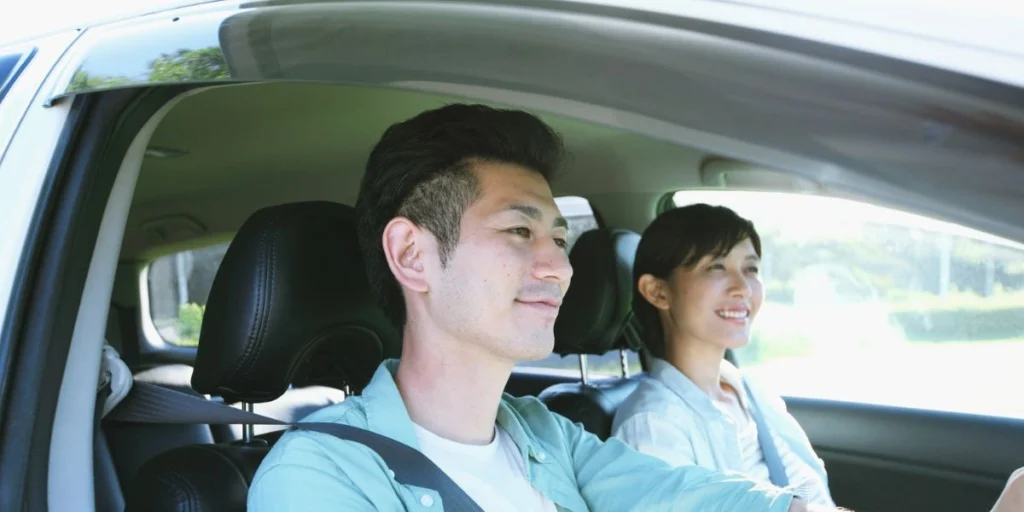
Speed gets all the attention. Speed cameras, speed limits, speed zones — the entire conversation around dangerous driving tends to revolve around how fast someone was going. And while speed is genuinely dangerous, it’s not actually the root cause of most accidents on Victorian roads.
Most crashes come down to a driver who simply wasn’t paying attention.
Road awareness — knowing what’s happening around your vehicle at any given moment — is the skill that keeps you out of trouble. You can be travelling well under the speed limit and still cause a serious accident if you’re not reading the road ahead, checking your mirrors, or noticing that the car in front has started to slow down.
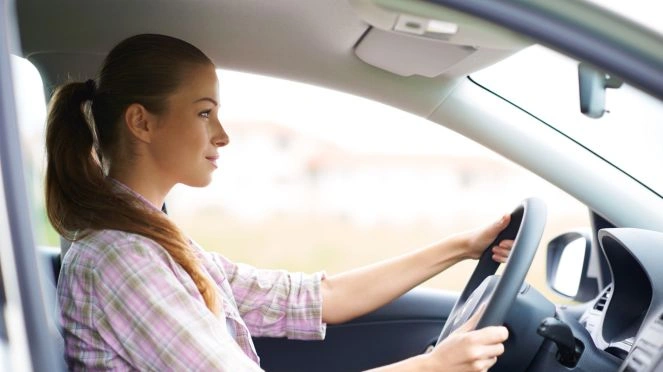
What Road Awareness Actually Means?
It’s not just about looking forward. Real situational awareness while driving means knowing where every nearby vehicle is, what pedestrians are doing, what the road surface looks like ahead, where intersections are coming up, and what the traffic flow is telling you about conditions beyond your line of sight.
Experienced drivers do this automatically. They’re scanning constantly — mirrors, road ahead, mirrors again — and building a mental picture of everything moving around them. They leave enough space to react. They position themselves in the lane to maximise their view. They notice the car two vehicles ahead hit its brakes before the car directly in front of them reacts.
New drivers are often so focused on the mechanics of operating the car — clutch, indicator, speed — that this broader awareness takes time to develop. That’s completely normal. But it’s also why beginner and intermediate driving lessons spend so much time on observation habits, not just vehicle control.
Why Speed Without Awareness is the Real Danger?
Here’s the thing about speed: it’s only dangerous because it reduces your ability to respond to what’s happening around you. Stopping distances increase. Reaction time stays the same. The gap between what you notice and what you can do about it shrinks.
A driver travelling at 60km/h who is fully aware of their surroundings is far safer than a driver doing 40km/h who is distracted, checking their phone, or simply not scanning properly.
This is why defensive driving training focuses less on “go slower” and more on “see more.” The goal is to identify hazards early enough that you have time to respond — at whatever legal speed you’re travelling.
The Situations Where Awareness Matters Most
Some driving environments demand more awareness than others.
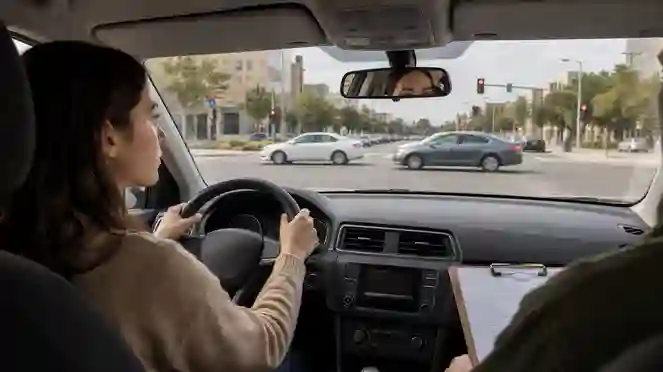
Intersections are where most serious accidents happen in Melbourne. A green light doesn’t mean it’s safe to accelerate through — it means you legally have right of way. Whether another driver is about to run the red is a different question entirely, and only road awareness tells you the answer.
Roundabouts are another area where awareness beats speed every time. The rules are clear, but reading what other drivers are actually doing — not just what they should do — is what keeps you safe.
Merging lanes and motorway on-ramps require you to be reading gaps in traffic well before you reach the merge point. Drivers who are only focused on their own speed and position, rather than the flow of vehicles around them, either miss safe gaps or force their way into ones that aren’t there.
Night driving reduces how far you can see and how much warning you get. It’s one of the reasons night driving lessons exist as a specific skill — the observation habits you’ve built during the day need to be recalibrated for lower visibility conditions. Most learners need dedicated practice in the dark before they’re genuinely comfortable, not just technically legal.
Highway and open road driving feels low-risk because there’s more space. But higher speeds mean hazards arrive faster, and the temptation to switch off awareness is real. Highway driving lessons specifically address this — teaching learners to maintain active scanning at speeds where complacency is easy.
What New Drivers Usually Get Wrong?
The most common awareness mistake learner drivers make is fixating on the car directly in front of them. It feels natural — that’s the immediate obstacle — but it’s a habit that leads to late braking, poor lane positioning, and missing hazards that an experienced driver would have spotted much earlier.
Good instructors push learners to look further ahead. Not just the next car, but the next intersection, the next set of traffic lights, the pedestrian who’s about to step off the kerb. The further ahead you’re scanning, the more time you have — and time is what separates a near-miss from a collision.
Another common gap is mirror use. Many learners check their mirrors at the right moments — before changing lanes, before turning — but don’t maintain the constant background awareness of what’s behind and beside them that makes those checks meaningful. If you only look in your mirrors when you’re about to do something, you’re reacting. If you’re checking them regularly between manoeuvres, you’re anticipating.
How a Driving Instructor Helps Build This Skill?
Road awareness is genuinely difficult to teach yourself, which is part of why supervised practice with an experienced instructor makes such a difference. A good instructor can see what you’re looking at and what you’re missing. They’ll point out the hazard you drove past without noticing, or the gap in your mirror checks that left you unaware of the car beside you.
This is also why the 120 logbook hours requirement exists in Victoria. You can’t develop genuine road awareness in a handful of drives. It builds through exposure to different conditions, different roads, different traffic situations — and it builds faster when someone qualified is giving you feedback in real time.
If you’re preparing for your VicRoads test, test prep lessons are specifically designed to sharpen the awareness habits that examiners are looking for — not just technical competence, but demonstrable observation, hazard identification, and situational judgment.
The Habit That Stays With You
The good news is that road awareness, once properly developed, becomes automatic. You stop thinking about checking your mirrors and just check them. You stop consciously scanning for hazards and your eyes just go there.
But it takes time and it takes deliberate practice to get there. Learners who rush through their hours just to tick the logbook requirement often struggle in the test — and after — because the habit hasn’t properly formed.
If you’re still building confidence behind the wheel, safe driving tips and structured lessons in varied conditions are the fastest way to close that gap. Speed will take care of itself when you’re reading the road properly. The other way around rarely works.