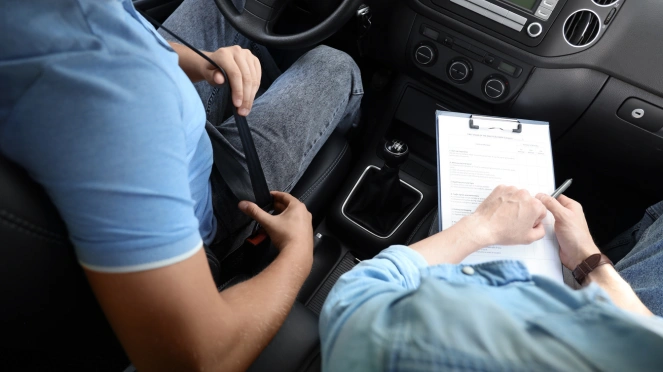
Learning to drive is an exciting milestone, but the driving test can feel overwhelming for beginners. A mock driving test is one of the most effective ways to prepare yourself for the real thing, helping you identify weak areas, build confidence, and familiarise yourself with what examiners are looking for.
This comprehensive practise driving test checklist will guide you through preparing for and conducting a successful mock driving test that mirrors the actual examination.
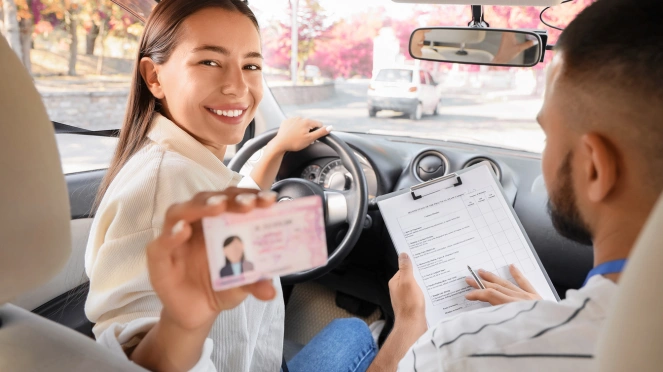
Why Mock Tests Matter?
- They Simulate Real Test Conditions
Mock tests recreate the structure, timing, and pressure of the actual driving exam. This helps beginner learners become familiar with what to expect on test day. - They Identify Weak Areas Early
A mock test highlights mistakes in observation, speed control, or maneuvers. Early identification allows focused practice before the real test. - They Build Confidence Behind the Wheel
Practicing in a test-like environment reduces anxiety and boosts self-assurance. Confidence plays a major role in performing well during the actual exam. - They Improve Decision-Making Under Pressure
Mock tests train learners to respond calmly to unexpected situations. This strengthens hazard awareness and safe driving habits. - They Provide Constructive Feedback
Instructors can evaluate performance and explain both minor and serious faults. Clear feedback helps learners understand exactly what needs improvement. - They Increase Chances of Passing First Time
By correcting mistakes and refining skills in advance, learners are better prepared. Proper mock test practice significantly improves the likelihood of passing the real driving test.
Pre-Test Preparation Checklist
Vehicle Requirements
Before your mock test begins, ensure your vehicle meets all legal requirements. Check that your license plates are clearly visible and securely attached. Verify that all lights are functioning properly, including headlights, brake lights, indicators, and hazard lights. Test your horn to confirm it’s working. Ensure your windscreen is clean and free from cracks that could obstruct your view. Check that all mirrors are properly adjusted and intact.
Documentation and Essentials
Gather all necessary documents you’ll need on test day. Have your learner’s permit or provisional license ready. If using someone else’s vehicle, ensure you have proof of insurance and registration. Bring your glasses or contact lenses if you need them for driving. Having everything organised beforehand reduces stress and mimics actual test conditions.
Personal Readiness
Get adequate sleep the night before your mock test. Wear comfortable clothing and appropriate footwear that allows you to operate the pedals easily. Avoid heavy meals immediately before the test that might make you sluggish. If you’re feeling particularly nervous, practice some deep breathing exercises to calm your nerves.
Vehicle Safety Check
Start your mock test with a cockpit drill, just as you would on test day. Adjust your seat so you can comfortably reach all controls and see clearly through all windows. Position all mirrors correctly—your interior rearview mirror should frame the entire rear window, while side mirrors should show a small portion of your car’s side with maximum road view. Fasten your seatbelt and ensure it’s properly secured. Familiarise yourself with the location of all essential controls, including indicators, wipers, lights, and the handbrake.
Maneuvers Checklist
Parallel Parking
Practice parallel parking between two vehicles or markers. Approach slowly and position your vehicle alongside the front car. Check all mirrors and blind spots before beginning the maneuver. Reverse slowly while steering appropriately, maintaining awareness of both vehicles and the curb. Finish within one or two car lengths of the curb, parallel to it. Remember to check your surroundings throughout the entire maneuver.
Three-Point Turn
Execute three-point turns on quiet residential streets. Check all around for traffic and pedestrians before starting. Turn the steering wheel fully in the direction you’re turning and move forward slowly. Stop before reaching the curb, check mirrors and blind spots again, then reverse while turning the wheel in the opposite direction. Complete the turn smoothly, ensuring you don’t mount the curb or obstruct traffic.
Reverse Parking
Practice reversing into parking spaces at various angles. Use your mirrors effectively and check blind spots frequently. Maintain slow, controlled speed throughout. Ensure your vehicle is centred within the parking lines and at an appropriate distance from surrounding vehicles.
Hill Start
Find a moderate incline to practice hill starts. Apply the handbrake and keep your foot on the brake when stopped on a hill. When ready to move, apply gentle pressure to the accelerator while smoothly releasing the clutch to the biting point. Release the handbrake as you feel the car wanting to move forward. Avoid rolling backward or stalling the engine.
On-Road Driving Skills
Observation and Awareness
Demonstrate constant awareness of your surroundings. Check mirrors every five to eight seconds, particularly before changing speed or direction. Scan ahead to anticipate potential hazard perception like pedestrians, cyclists, or road works. Use blind spot checks before changing lanes or merging. Show awareness of other road users’ intentions by observing their signals and positioning.
Speed Management
Maintain appropriate speeds for different road conditions and speed limits. Recognise and obey all speed limit signs. Adjust your speed for weather conditions, traffic density, and road surface quality. Avoid driving too slowly, which can be as problematic as speeding. Demonstrate smooth acceleration and deceleration without jerky movements.
Lane Discipline
Stay in the correct lane for your intended direction. Position yourself appropriately when approaching junctions and roundabouts. Don’t straddle lane markings or weave between lanes unnecessarily. Move into turning lanes in good time without cutting across traffic. On multi-lane roads, use the left lane unless overtaking.
Signaling
Use indicators in good time before turning or changing lanes. Ensure you cancel indicators after completing maneuvers. Don’t signal too early when multiple turns are close together, as this confuses other road users. Make eye contact with other drivers and pedestrians when appropriate to communicate your intentions.
Junction Navigation
Approach junctions at appropriate speeds with the correct road positioning. Follow the MSPSL routine: Mirrors, Signal, Position, Speed, Look. Give way to traffic with the right of way and don’t emerge until it’s safe. Look in all directions, including blind spots, before proceeding. On roundabouts, follow lane markings and give way to traffic from the right where applicable.
Pedestrian Crossings
Slow down when approaching all pedestrian crossings. Stop completely when pedestrians are waiting to cross at zebra crossings. Make eye contact with pedestrians to ensure they’ve seen you. Check for pedestrians who might be hidden by obstacles or parked vehicles. Never wave pedestrians across, as this can put them in danger from other traffic.
Common Errors to Monitor
During your mock test, have your supervisor watch for common mistakes that cause test failures. These include failing to observe properly at junctions, not checking blind spots before maneuvers, incorrect positioning on the road, inappropriate speed for conditions, harsh or uncontrolled braking, poor steering control, and stalling the vehicle repeatedly. Also monitor for failure to give way when required, mounting curbs during maneuvers, and inadequate observation at pedestrian crossings. Including these points in your practise driving test checklist helps you stay focused on avoiding critical errors.
Mock Test Evaluation
After completing your mock test, take time for a thorough debriefing. Discuss every aspect of your performance with your supervisor or instructor. Identify specific areas that need improvement and create a practice plan to address them. Celebrate what you did well to build confidence. Take notes on feedback so you can refer back to it during practice. If possible, repeat mock tests weekly in the lead-up to your actual examination.
Mental Preparation
Beyond technical skills, mental readiness is crucial. Visualise yourself completing the test. Practice positive self-talk to counter negative thoughts. Remember that minor mistakes don’t necessarily mean failure—examiners understand that perfect driving doesn’t exist. Focus on demonstrating safe, confident driving rather than flawless performance. Develop strategies to manage test-day nerves, such as arriving early and taking deep breaths before starting.
Test Day Simulation
Make your final mock tests as realistic as possible. Schedule them at the same time of day as your actual test. Use the same route or test centre area if known. Dress as you would for the real test. Have your supervisor act as a silent examiner who doesn’t provide guidance during the drive. Time the test to match the actual duration. This complete simulation helps eliminate surprises on test day.
Continuous Improvement
Use each mock test as a stepping stone to improvement. Keep a driving journal documenting your progress and areas for development. Don’t be discouraged by initial mistakes—they’re opportunities to learn. Practice specific skills between mock tests rather than just general driving. Gradually increase the difficulty of your mock tests by practising in different weather conditions, various times of day, and unfamiliar areas.
Conclusion
Mock driving tests are invaluable tools in your journey to becoming a licensed driver. By following this comprehensive practise driving test checklist and taking each practice test seriously, you’ll build the skills, knowledge, and confidence needed to pass your driving test successfully. Remember, VICroads test preparation and practice are the keys to success, and every mock test brings you one step closer to earning your driver’s license.
Whether you’re practicing independently or seeking professional guidance, structured preparation makes all the difference. At Monika’s Driving School, we understand that thorough preparation through regular mock tests and expert instruction is essential for first-time test success. With dedication, the right support, and consistent use of your practise driving test checklist, you’ll be well-equipped to demonstrate safe, confident driving and achieve your goal of becoming a fully licensed driver.