If you’re preparing for your VicRoads driving test in Melbourne, there are two unique traffic features you absolutely must master: hook turns and sharing the road with trams. These distinctly Victorian road rules often confuse learner drivers, but understanding them is essential not only for passing your test but for safe driving in Melbourne’s CBD and inner suburbs.
Understanding Hook Turns
What Is a Hook Turn?
A hook turn is a right-hand turn executed from the left lane. Yes, you read that correctly. This maneuver, which seems counterintuitive at first, is designed to prevent right-turning vehicles from blocking tram tracks in busy intersections.
Where Are Hook Turns Required?
Hook turns are primarily found in Melbourne’s CBD and a few select suburban intersections. You’ll know a hook turn is required when you see a white “RIGHT TURN FROM LEFT ONLY” sign with a hook arrow symbol hanging above the intersection.
How to Execute a Hook Turn
Here’s the step-by-step process:
- Approach in the left lane – As you near the intersection, position your vehicle in the left-hand lane and signal right.
- Move forward into the intersection – When the light turns green, proceed forward (not right) into the intersection, staying close to the left side. Move across and position your vehicle just past the center of the intersection, keeping your wheels straight.
- Wait in the intersection – Stop and wait in this position, still indicating right. You’ll be perpendicular to your original direction, waiting for the traffic lights on the street you’re turning into to turn green.
- Complete the turn – When the lights facing your new direction turn green, complete your right turn. Cancel your indicator once you’ve completed the turn.
Critical tip for your driving test: Never turn your wheels while waiting in the intersection. Keep them straight to avoid being pushed into crossing traffic if you’re rear-ended.
Sharing the Road with Trams
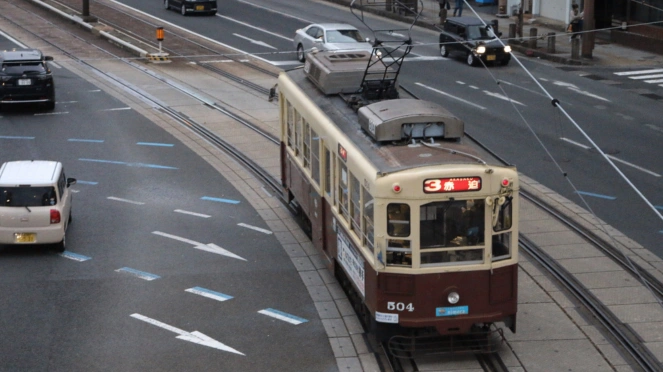
Melbourne’s extensive tram network is a defining feature of the city, but it requires special awareness from drivers. Trams have right of way in almost all situations, and the rules around them are strictly enforced.
The Golden Rule: Trams Always Have Priority
Trams cannot swerve or stop quickly. They’re on fixed tracks and can weigh up to 40 tonnes. This means you must always give way to trams.
Key Tram Rules
Stop behind trams at safety zones: When a tram stops at a safety zone (a raised platform for passengers), you can pass the tram at 10 km/h or less, but only if it’s safe and there’s no danger to pedestrians.
Stop beside trams without safety zones: If a tram stops and there’s no safety zone, you must stop behind the rear of the tram and wait until all passengers have finished boarding or alighting and the doors have closed. Passengers have the right of way as they cross the road to and from the tram.
Never drive in the tram lane: Those lanes marked with tram symbols and different colored pavement are for trams only. Don’t drive, stop, or park in them unless you’re turning and there’s a broken line.
Watch for tram tracks when turning: When turning across tram tracks, give way to all trams. Check both directions for approaching trams, as they can come from either side on some routes.
Be careful when overtaking trams: You can only overtake a tram on the left when it’s safe and there’s enough room. Never overtake on the right.
The Tram Door Zone
Be especially cautious of the “door zone” – the area within one meter of parked cars. Many accidents occur when car doors open into the path of passing trams or when passengers step out into tram paths. During your test, your examiner will be watching to ensure you maintain a safe distance.
Common Mistakes to Avoid
During your VicRoads test, here are the mistakes that can result in immediate failure:
- Attempting a hook turn from the right lane
- Turning right at an intersection where a hook turn sign is posted without using the hook turn procedure
- Failing to give way to a tram
- Driving in a tram lane inappropriately
- Not stopping for tram passengers
- Blocking tram tracks
Practice Makes Perfect
The best way to become comfortable with hook turns and trams is through practice. Before your test, ask your supervising driver to take you into the CBD during off-peak hours. Practice hook turns at intersections like Flinders Street and Swanston Street, and get comfortable driving alongside trams on routes like Brunswick Street or St Kilda Road.
Many learner drivers find it helpful to watch trams and observe how other drivers interact with them. The more exposure you get, the more natural these unique Melbourne driving features will become.
Final Thoughts
Understanding how to handle hook turns and interact with trams is a must for your VicRoads Driving Test in Melbourne. Mastering these unique road rules will not only help you pass your test but also make you a more confident and knowledgeable driver in Melbourne’s heavy traffic.
Remember to practice regularly, familiarise yourself with the road signs, and stay calm when interacting with trams. By following the right procedures, you’ll be well on your way to passing your VicRoads test and driving safely through Melbourne’s streets.
If you’re looking for expert driving lessons to prepare for your test, Monika’s Driving School can help you gain the skills and confidence you need. Contact us today to book your lesson and start your journey toward becoming a safe and skilled driver!