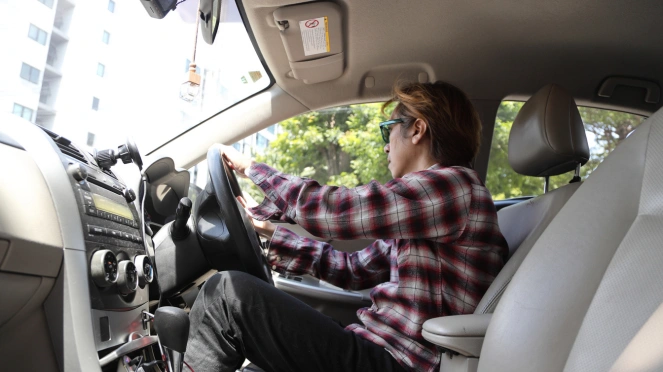
Failing your driving test can be disappointing and frustrating, especially after weeks or months of practice and preparation. In Victoria, thousands of learner drivers face this setback each year. Understanding the most common reasons people fail can help you avoid the same mistakes and increase your chances of passing on your first attempt.
According to VicRoads data, certain errors appear repeatedly in failed driving tests across Victoria. Whether you’re preparing for your test in Melbourne, Geelong, Ballarat, or regional Victoria, knowing these pitfalls can make the difference between success and having to rebook.

1. Failing to Perform Proper Observation Checks
The single most common reason for failing the driving test in Victoria is inadequate observation. This includes failing to check mirrors, blind spots, and surroundings at critical moments.
What Assessors Are Looking For
Driving assessors need to see clear, deliberate head movements that demonstrate you’re actively checking your environment. Simply glancing at mirrors isn’t enough—you need to show you’re gathering information and making informed decisions based on what you observe.
Common Observation Mistakes
Not checking blind spots before changing lanes. Many learners remember to check mirrors but forget the crucial blind spot check. Your assessor needs to see you physically turn your head to check over your shoulder before merging or changing lanes.
Inadequate mirror checks before maneuvers. Before turning, pulling over, or performing any maneuver, you should check your rearview and side mirrors. This demonstrates awareness of traffic behind and beside you.
Failing to scan intersections. At intersections, especially when turning, you must actively look left, right, and left again. Even with a green light, you’re responsible for checking that it’s safe to proceed.
Not observing when pulling out from the curb. After being parked, many learners fail to adequately check over their shoulder before merging back into traffic. This is a critical safety check that assessors watch carefully.
How to Improve
Practice making observation a habit rather than just performing it for the test. Develop a mental checklist for different situations—for example, “mirror, signal, blind spot, maneuver” for lane changes. Exaggerate your head movements during practice so they become natural by test day.
2. Incorrect Gap Selection and Judgment
Poor judgment when entering roundabouts, merging into traffic, or crossing intersections is the second leading cause of test failures in Victoria.
Understanding Safe Gaps
A safe gap means having sufficient time and space to complete your intended maneuver without causing other vehicles to brake, slow down, or change direction. If another driver has to react to your actions, the gap wasn’t safe.
Where Gap Selection Goes Wrong
Roundabout entry. Roundabouts are particularly challenging for learners. Many fail by either entering when it’s unsafe or waiting too long when there’s a clear opportunity. You must give way to vehicles already in the roundabout, especially those approaching from your right.
Merging onto main roads. When turning onto a busier road from a side street or driveway, learners often misjudge the speed and distance of approaching vehicles. What seems like plenty of space when a car is far away can disappear quickly if it’s traveling at 80 km/h.
T-intersections and uncontrolled intersections. At locations without traffic lights, correctly judging when it’s safe to proceed requires accurate assessment of oncoming traffic speed and distance.
Highway merging. When entering freeways or highways, building up sufficient speed and finding an appropriate gap in flowing traffic challenges many test-takers.
Building Better Judgment
Gap selection improves with experience and practice in various traffic conditions. Practice estimating distances and vehicle speeds with your supervising driver. As a general rule, if you’re uncertain whether a gap is safe, it probably isn’t. Wait for a gap where you feel confident and comfortable.
3. Speed Management Issues
Speed-related errors encompass both driving too fast and driving too slowly for conditions. Either extreme can result in test failure.
Driving Too Fast
Exceeding speed limits. Even briefly exceeding the posted speed limit is an automatic fail. Stay vigilant, especially in school zones where limits change at specific times, and in residential areas with 40 km/h limits.
Driving too fast for conditions. You can fail even while staying under the speed limit if you’re driving too fast for wet roads, poor visibility, heavy traffic, or other conditions. Your speed must be appropriate for the circumstances.
Approaching hazards too quickly. Failing to slow down when approaching pedestrian crossings, schools, parked cars, or intersections demonstrates poor hazard perception.
Driving Too Slowly
Impeding traffic flow. Driving significantly below the speed limit without good reason can fail you, especially on main roads where it creates a hazard for other drivers.
Hesitation at intersections. Taking too long to proceed when you have a clear right of way suggests poor confidence and decision-making.
Failing to merge at appropriate speeds. When entering highways or major roads, you need to match the speed of traffic to merge safely. Merging too slowly creates danger.
Speed Management Tips
During your test, regularly check your speedometer to maintain awareness of your speed. In unfamiliar areas, look ahead for speed limit signs and be prepared for changes. Practice driving in various speed zones until maintaining the correct speed becomes automatic. Remember that good speed management means choosing the right speed for conditions, not just following the limit.
4. Incorrect Road Positioning and Lane Discipline
Where you position your vehicle on the road matters significantly. Poor lane discipline and incorrect positioning are frequent causes of test failure.
Common Positioning Errors
Drifting out of the lane. Allowing your vehicle to wander across lane markings or into other lanes shows poor control. This often happens when learners focus too much on other tasks and not enough on steering.
Incorrect lane selection. Choosing the wrong lane for your intended direction—such as being in the right lane when you need to turn left—demonstrates poor planning and observation.
Positioning too close to parked cars. While you need to give adequate space to parked vehicles and potential hazards, positioning yourself too far into the next lane is also incorrect.
Poor positioning in roundabouts. Entering the wrong lane or failing to stay in your lane while travelling through the roundabout will fail.
Straddling lanes. At any point, straddling two lanes or crossing solid lines inappropriately is a serious error.
Maintaining Proper Position
Stay centred in your lane. Use the lane markings as reference points and maintain an equal distance from both sides of your lane.
Plan for turns. If you need to turn left, position yourself in the left lane well before the intersection. For right turns, move to the right lane with adequate notice.
Follow painted arrows and signs. Road markings tell you which lane to use for specific directions. Follow these indicators carefully.
Give appropriate space to hazards. When passing parked cars, cyclists, or other roadside hazards, move slightly to the right in your lane if safe, but don’t cross into the adjacent lane without proper checking and signalling.
5. Failure to Give Way Correctly
Give way rules in Victoria are comprehensive, and many learners struggle with knowing when they must yield to other road users.
Critical Give Way Situations
At roundabouts. You must give way to all vehicles already in the roundabout and to vehicles entering or approaching from your right. This is one of the most commonly misunderstood rules.
When turning right. When turning right at intersections, you must give way to oncoming traffic going straight ahead or turning left. Many learners incorrectly assume they can “beat” oncoming traffic.
To pedestrians. You must give way to pedestrians crossing the road you’re entering or leaving, and to pedestrians on or entering a marked crossing. This includes children’s crossings, zebra crossings, and pedestrians at traffic lights.
Stop signs and give way signs. At stop signs, you must come to a complete stop and give way to all vehicles on the continuing road. At give way signs, slow down and be prepared to stop if necessary.
When merging. When a lane ends or you’re merging from an on-ramp, you must give way to traffic already in the lane you’re entering.
Understanding Give Way Confusion
The complexity of give way rules often overwhelms learners, especially in busy intersections where multiple rules apply simultaneously. The key is understanding the hierarchy: pedestrians have priority, then vehicles already established in their path of travel, then vehicles to your right in most situations.
Mastering Give Way Rules
Study the VicRoads give way rules thoroughly and practice identifying give way situations while being driven by others. When in doubt during your test, it’s better to give way when not strictly required than to proceed when you should have waited. However, excessive hesitation when you clearly have the right of way can also cost points.
Additional Common Mistakes That Lead to Failure
While the above five are the most common, several other errors frequently result in test failures:
Incorrect signal usage. Failing to signal, signalling too late, or leaving indicators on after completing a maneuver shows poor communication with other road users.
Rolling through stop signs. Stop means stop completely—your vehicle must come to a full stop with no forward movement before proceeding.
Hitting the curb. Making contact with the curb during parking, three-point turns, or other maneuvers is considered loss of vehicle control.
Stalling. While one stall might not fail you if handled safely, multiple stalls or stalling in dangerous situations like intersections can fail.
Poor clutch control. For manual transmission tests, jerky gear changes or rolling backwards on hills demonstrate inadequate vehicle control.
Preparing for Success on Your Driving Test
Book Adequate Practice Time
Victorian learner drivers need to complete 120 hours of supervised driving, including 20 hours at night. Don’t just aim for the minimum—the more diverse experience you gain, the better prepared you’ll be.
Practice in Test-Like Conditions
If possible, drive in the area where you’ll take your test so you’re familiar with the roads, traffic patterns, and common test routes. Practice during similar times of day and traffic conditions to what you’ll experience during your test.
Consider Professional Lessons
While supervised practice with family is valuable, professional driving instructors can identify and correct bad habits you and your supervisor might not notice. Even a few lessons before your test can make a significant difference.
Stay Calm on Test Day
Nerves can cause you to make mistakes you’d never make during practice. Remember that your assessor wants you to succeed—they’re evaluating whether you can drive safely, not trying to trick you or catch you out.
Learn from Failure
If you don’t pass your first attempt, don’t be discouraged. Most people need multiple attempts. Review the feedback from your assessor carefully, practice the areas where you struggled, and book your next test with renewed confidence.
Key to Passing Your Victorian Driving Test
Success on your driving test comes down to consistent application of safe driving practices. The assessors aren’t looking for perfection—they’re evaluating whether you can operate a vehicle safely and responsibly under various conditions.
Focus on developing strong observation habits, making conservative decisions about gaps and give way situations, maintaining appropriate speed and road position, and staying aware of your surroundings at all times. With thorough preparation and practice, you’ll be well-equipped to pass your test and become a licensed driver in Victoria.
Remember, the skills you’re developing aren’t just for passing a test—they’re habits that will keep you and others safe for your entire driving life. Take the preparation seriously, learn from mistakes, and approach your test with confidence in the skills you’ve built.